Tesla delivers 1.6M vehicles in 2025, a decline of 8.6% from a year ago.

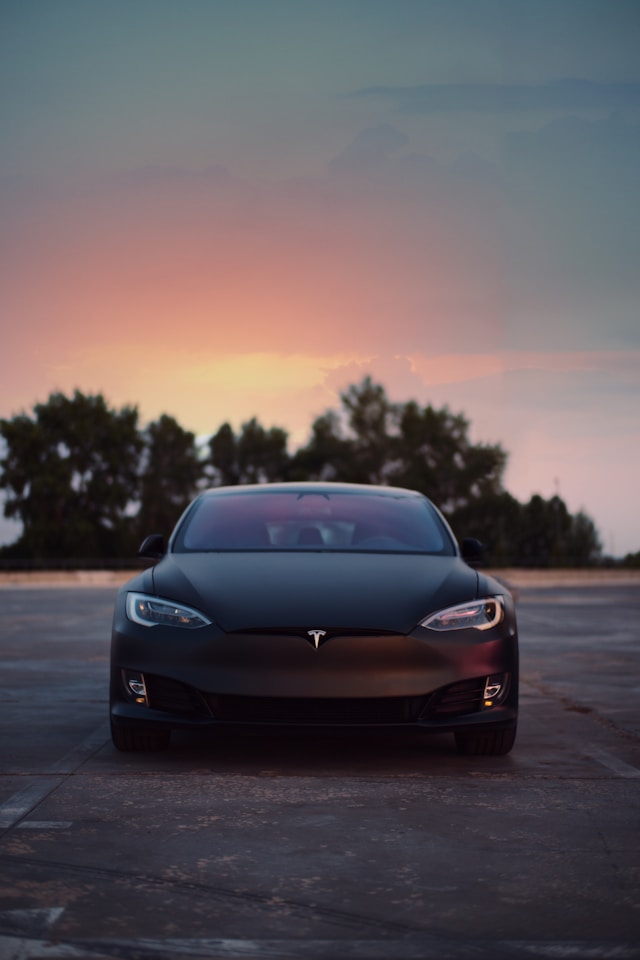
Image Credit: Unsplash
Tesla Q4 sales plummet -15.6% to 418K vehicles, worse than Wall Street expected. Full year 2025 marks Tesla's second straight annual decline at 1.6M deliveries. With Q4 2025 Production: 434,358 vehicles and Deliveries: 418,227 vehicles, can Tesla maintain profitability before automotive sales fall below 300K per quarter in 2026?
Tesla Delivers 1.6M Vehicles in 2025: A Decline of 8.6% from the Previous Year
Introduction
Despite continued advancements to its autonomous Full Self Driving (FSD) software, in a disappointing Q4 2025, Tesla saw a steep decline in sales, with deliveries crashing -15.6% to 418K vehicles. This marks the second straight year of decline for the electric vehicle (EV) giant, with full-year 2025 deliveries totaling 1.6M vehicles - an 8.6% drop from the previous year. As Tesla continues to face increasing competition in the EV market and grapples with production and delivery challenges, the question remains: can the company maintain profitability before automotive sales fall below 300K per quarter in 2026?
Body
Q4 Sales Crash
Tesla's Q4 sales were worse than Wall Street expected, with deliveries down -15.6% to 418K vehicles. This is a significant decline from the previous year, when Tesla delivered 479K vehicles in Q4 2024. The poor Q4 performance highlights the challenges Tesla faces in maintaining its growth momentum, especially as competition in the EV market intensifies.
Full-Year Deliveries
Despite the Q4 decline, Tesla's full-year 2025 deliveries totalled 1.6M vehicles - a 8.6% drop from the previous year. While this marks the second straight year of decline for Tesla, it is important to note that the company still leads the EV market in terms of deliveries. However, with the competition heating up, Tesla needs to find ways to maintain its market share and grow its sales.
Production and Delivery Challenges
Tesla's production and delivery challenges are likely contributing to the decline in sales. The company faced production delays at its California factory due to supply chain issues, which affected its ability to deliver vehicles to customers. Additionally, Tesla's global expansion has led to logistical challenges in terms of managing supply chains and meeting customer demand. As Tesla continues to scale up its operations, it needs to find ways to overcome these challenges and maintain profitability.
Profitability
The question remains: can Tesla maintain profitability before automotive sales fall below 300K per quarter in 2026? With the company's Q4 sales crashing and full-year deliveries down, there are concerns about Tesla's ability to meet its revenue targets. However, it is important to note that Tesla has a strong track record of innovation and adaptability, which could help the company navigate these challenges and maintain profitability.
Summary
Tesla's Q4 sales decline highlights the challenges the company faces in maintaining its growth momentum in the increasingly competitive EV market. With the company's expanded innovations and portfolio into utility battery mega packs and humanoid robotics, there is optimism from shareholders that Tesla can overcome these challenges with Electric Vehicles and maintain profitability.